Pages

Showing posts with label blood sugar. Show all posts

Wednesday, March 4, 2015

Diagnosis of Diabetes

We have seen the types and symptoms of diabetes in the previous post. Now let us see diagnoses of diabetes. If you find any symptoms of diabetes as mentioned in the previous post about the Types and Symptoms of diabetes , immediately you have to fix an appointment with your doctor for diagnoses. He will advise you to undergo some tests to find out whether you are affected by diabetes.

Diabetes can often detected by carrying out a urine test to find out whether excess glucose is present. This is normally followed by a blood test which measure blood glucose levels and can confirm if the cause of symptoms is diabetes. We have already known the types of diabetes. Now let us go for various tests one by one.

HbA1c-Glycated Haemoglobin test: This blood test will indicate the average blood sugar levels for the past three months. It measures percentage of blood sugar attached to haemoglobin. The higher the blood sugar levels, more sugar is combined with haemoglobin.

If the result is between 5.7 and 6.4 percentage, it is considered pre-diabetes. Normal level is below 5.7 percentage.If you are diabetic patient then you have to take this HbA1c test for every three or four months without fail .This is apart from your routine urine and blood tests. Generally following are indications for the blood sugar control in case of diabetic patients. If it shows
    Between 6.01----7.0 % is taken as good control
                 7.1 -----8.0 % is taken as fair control
                 8.1------10.0 % is taken as poor control
                 More than 10 % is unsatisfactory.

RANDOM blood sugar test (RBS): Here blood sample will be collected at a random time. If random test shows sugar level of 200 mg/dl or higher it can indicate diabetes, especially considering the presence of other diabetic symptoms.

FASTING blood sugar test (FBS): A blood sample is collected after an overnight fast. A fasting blood sugar level if it is less than 100 mg/dl is considered normal level. If it is 100 to 125 mg/dl is considered pre-diabetes level. It is often the first test done to check for pre-diabetes and measuring glucose levels for diabetes during treatment.

Postprandial glucose test (PP): It is a blood glucose test that determines the amount of a type of sugar called glucose in the blood after meal. Glucose comes from carbohydrate foods. It is a main source of energy used by the body. A 2 hour postprandial blood glucose test measures blood glucose exactly 2 hours after eating a meal timed from the start of meal. This serves as a test whether a person may have diabetes or whether a person who has diabetes is successfully controlling his blood sugar.  Here the important point is a person who is suffering from diabetes should take his medicines as prescribed by his Doctor that is before or after food.

Oral glucose tolerance test (GTT):  For this test one has to fast overnight and the fasting blood sugar level is measured. Then drink a sugar liquid and blood sugar levels are tested periodically for the next two hours. Here blood sugar levels less than 140 mg/dl is considered normal. More than 200 after two hours indicate diabetes. Please note that sugar levels noted here may vary from lab to lab as per the methods used for testing.

For TYPE I diabetes (Insulin dependent) Urine will be tested to look for the presence of by product produced when muscle and fat tissue are used for energy when body does not have enough Insulin to use the available glucose.

Friends, I hope I have given here the full details of the tests for diabetes. If you know anything more please free to add here so that others may have more information. Your comments are welcome.

This post is only intended for informational purposes and should not be construed as medical Advice!. Please check Disclaimer Page for complete information!

Sunday, September 7, 2014

DIABETES – A worldwide concern

Hi friends, so far we discussed about Homeopathy and Naturopathy medicines which may solve many diseases without side effects. We have also discussed about the medicinal values of many Plants, Vegetables, Roots, Fruits, Seeds etc., for our healthy living. Please check my earlier posts on these. 

I hope you would have got some useful information from the posts. I request you to add your comments at bottom of the posts and also share the ones you find interesting and useful with your friends.

Now let us move on to the topic “Diseases and Remedies”. Here I am going to share my experience and collections from reliable sources.

First let us deal with the most chronic/troublesome disorder DIABETES, which is a worldwide concern. Many of you may know some information about this disorder because many people are suffering with diabetes and the number is increasing day by day. I would like to share with you my views and opinion so that every one of us must have the basic idea of this disorder which may help to prevent or to control this problem and help lead a normal healthy life. 

What is diabetes?
Main Symptoms of Diabetes in various parts of body
Main Symptoms of Diabetes
Picture from Wikipedia - Diabetes page

Diabetes is a condition in which there is too much sugar (glucose) in the blood. Even though glucose is essential to provide energy to the body, when it is excess it is harmful. 

Food taken by us is digested and converted in to glucose. Blood carries glucose to all cells in the body. The cells use glucose as a fuel (energy). 

Insulin is essential for glucose to enter in to the cells of the body. 

Check the adjoining picture to understand the common symptoms of diabetes.

It is estimated that there are more than 350 Million (about 35 Crore) people affected by diabetes worldwide and the number is increasing and expected to exceed 50 crores by 2030. 

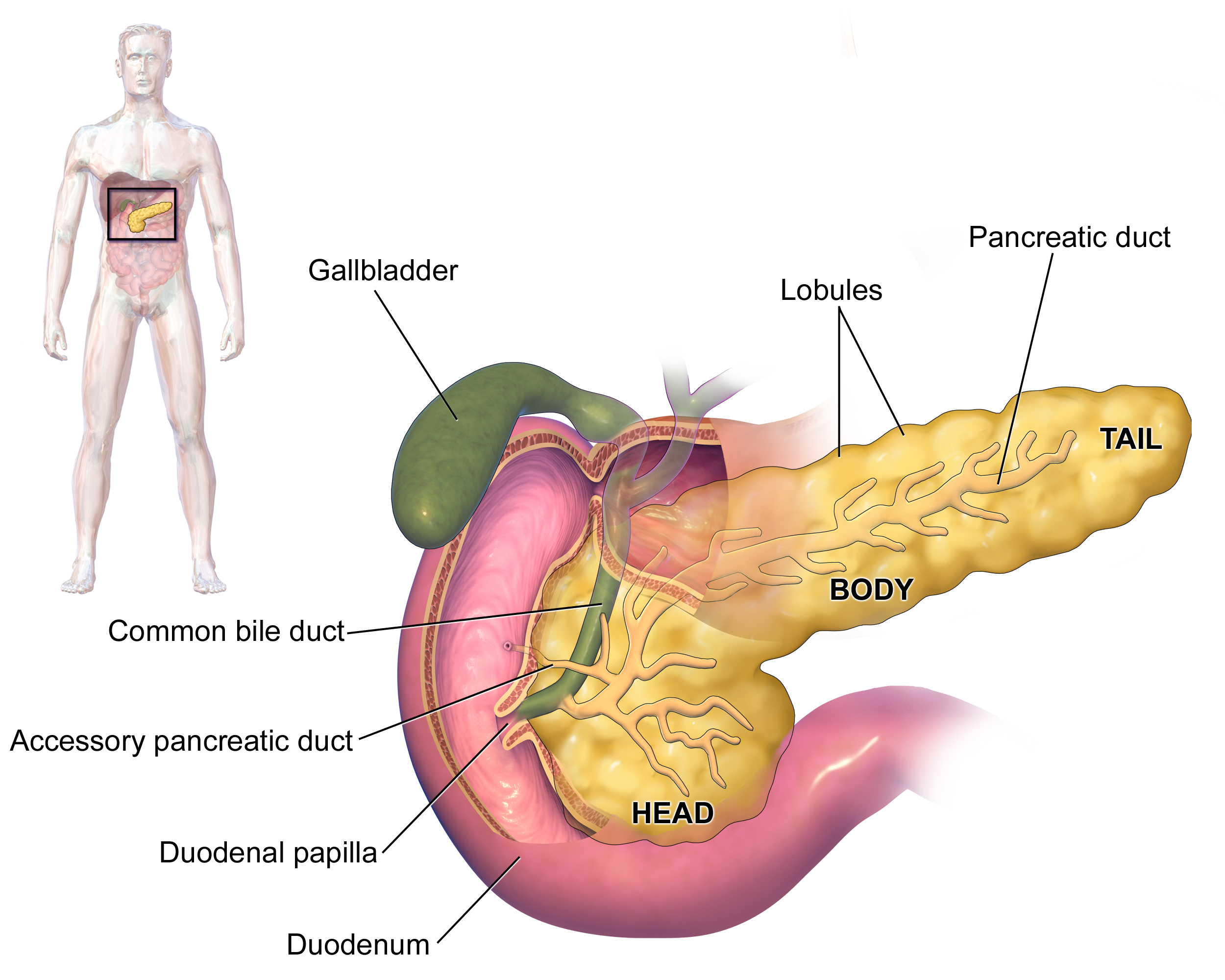
Let us see about INSULIN. Insulin is a substance produced by the PANCREAS an organ, situated behind stomach. 

When insulin is absent or deficient or defective, glucose cannot enter into the cells and remains in the blood in high amount. Diabetics have excess sugar in blood because they have deficient supply of INSULIN. See the picture below about Pancreas

The Pancreas
Photo by: Blausen.com staff. "Blausen gallery 2014"
Hence please note diabetes is a disorder not a disease. 

It is a disorder related to the impaired glucose tolerance of the body when insulin function is affected.

Diabetes is diagnosed when levels of glucose in the blood are above normal.  

In this post I have narrated what is diabetes. I think one can easily understand that diabetes is due to pancreas not working properly.


In the next post will see about the types and symptoms. Ok?

This post is only intended for informational purposes and should not be construed as medical Advice!. Please check Disclaimer Page for complete information!

Saturday, May 31, 2014

Health benefits of grapes - For Heart, Metabolism and immunity

Hello friends, My blog is one year old baby now. Your response is much encouraging and gives me a moral booster to continue writing about various subjects in this blog.

In our last three previous posts we have discussed about the health benefits of Water melon, Drumstick (Moringa), Coconut water

Fresh Brown Grapes
Fresh brown grapes
Now let us discuss about GRAPES, its health benefits and usages. 

Grapes are non-climatic type plants. Grapes are one of the most liked fruits in the world. 

Grapes are available in different varieties and in different colours according the cultivation and nature of fields in which they are cultivated. Mostly they are available in red, green, black and purple colours.
Grapes hanging in a farm fence
Grapes in a farm fence
It is learnt that grapes were cultivated first in the middle- east. Grape is considered a berry. Grapes are in different in tastes according to the varieties.

Studies reveal that grapes will help in prevention of cancer, heart diseases, high blood pressure, and constipation etc. They are high in water content and good for hydration.


Green grapes - for health and immunity
Green grapes

How do Grapes help in cancer treatment? Grapes contain powerful antioxidants known as POLYPHENOLS which can slow/prevent many types of cancer cells including prostate and colon cancers. You can learn more about PolyPhenols and their health benefits in the www.grapescience.com website.

The appearance of flavonoid quercetin which is a natural anti-inflammatory may reduce the risk of atherosclerosis (A disease of heart involving hardening of arteries due to Plaque or Plak buildup) . The high content of polyphenol in grapes may help to reduce the risk of cardiovascular disorder by preventing artery wall build ups and reducing blood pressure via anti-inflammatory mechanism.

The fiber and potassium present in the grapes are also support to heart health. High potassium in take may reduce risk of stroke, increase bone strength and help reduce the formation of Kidney stones.

How grapes help to treat constipation? Eating of grapes will help to have free bowel movements there by it will prevent constipation.

Studies reveal that grapes can help to control diabetic neuropathy and retinopathy.

Few more important benefits of grapes are:
  • Better blood sugar regulation including high blood pressure 
  • Better total cholesterol regulation reducing LDL cholesterol levels
  • Better inflammatory regulation in the blood
  • Increase levels of glutathione (is produced in human liver and is important for metabolism, immunity and health) in the blood.

Grapes can be eaten as raw or can be enjoyed as juice. They is widely used for making different varieties of wines, jams, and jelly etc.,  For more interesting information and facts on grapes, check out Wikipedia page on grape


I hope by knowing the above usages and medicinal properties of this wonder grapes, all of us should have a bit of grapes in our weekly diet.  

This post is only intended for informational purposes and should not be construed as medical Advice!. Please check Disclaimer Page for complete information!

Sunday, March 2, 2014

Green Peas - Tiny Vegetable with Big health benefits!

In our previous post we discussed about a very common and useful Ayurveda medicine Tri-Phala (Three fruits)
Photo by Bill Ebbesen


In this post we will see the health benefits of GREEN PEAS vegetable.

These starchy and sweet green peas or garden peas has been in use in various part of the world - mainly in Egypt, and Mediterranean countries like Greece etc. In India, it originated in the sub Himalayan plains of north-west India and is now grown in Gangetic plains and in south india.

PEAS are really powerhouses of nutrition that are natural boon to our health.

They contain many Nutrients - Carbohydrates, Dietary fibers, sugars, Vitamins - C, B6, B12, A, Folic Acid, Thiamin, Riboflavin, Calcium, Iron, Magnesium, Phosphorus, Potassium, Sodium, Zinc, Copper, Manganese, Selenium, Amino acids.... Phew!!! It is very surprising, isn't it? How a small pea can contain so many minerals. You may doubt me. Please check this link from the US Department of Agriculture for more details.

Photo by AndrewMT
Peas also contain antioxidants and are low in calories. 100gms of green peas contain 81 calories with no cholesterol. It reduces L D L and increases H D L cholesterol levels. Due to such good benefits, Peas is grown in many parts of the world today. Check out the green spots in the map to see where it is grown.

These green vegetable contain phytosterols which help lower cholesterol level in the body. It contains vitamin K thereby help to keep our bones healthy. One cup of peas contains 44 % of vitamin K which helps to anchor calcium inside bones. Vitamin B also helps to prevent osteoporosis.

Peas may also help to treat wrinkles, bronchitis and the fiber content in the peas improves bowel movement. It also contains essential B complex vitamins such as pantothenic acid, niacin, thamine, pyridoxine and many more. Further it contains many minerals, like calcium, iron, copper, zinc, manganese etc.

A study conducted in Mexico City reveals one needs only 2 milligrams of peas per day to help in preventing stomach cancer. Also it is helping in anti-ageing and for strong immune system with high energy.

Peas contain strong anti-oxidant and anti-inflammatory properties. Also contains OMEGA 3 fat in the form of alpha LINOLENIC-ACID (ALA).

Further peas also will help for blood sugar regulation. Since it contains high fiber and, it may help to slow down the blood sugar levels. The anti-oxidants and anti-inflammatory properties may help to prevent or even help to reverse insulin resistance.

Now I hope you may understand the benefits of this greenish vegetable. It can be used in many ways in our kitchen.

Here is one simple way to eat: Boil a cup of peas with required quantity of water and add a pinch of salt and pepper to it and it can be consumed as it is.

Let me know your comments on this article and any information you have about green peas and its benefits also.

This post is only intended for informational purposes and should not be construed as medical Advice!. Please check Disclaimer Page for complete information!